




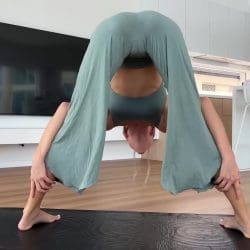


Tame the ‘Tulasana’ Beast with Nutan’s Yoga!

Are you feeling the fear and loathing of being faced with the 'Tulasana' beast? Relax, because with Nutan's Yoga, you're going to learn how to tackle it head-on! In this blog post, we will be discussing how you can perform 'Tulasana’ - a Sanskrit term which translates to 'scale pose' in English - so that it can become as easy as, well, 1-2-3 yoga! On top of being a hip-opening posture, this pose also helps strengthen your core and arm muscles. So, let's get started with ‘Tulasana’ by taking a few deep breaths as Nutan will guide us into the pose!
Table of Contents
- - Unlocking the Mystery of Tulasana
- - Strengthening Your Core with Tulasana
- - Opening Up the Hips with Dandasana & Bada Konasana
- - Mastering Tulasana with Nutan’s Yoga
- Q&A
- Final Thoughts
- Unlocking the Mystery of Tulasana
Tulasana is a yogic posture that's been gaining immense popularity for its tremendous benefits! Unlocking the mystery of this complex posture is easier than you think! With a few simple steps, you'll be mastering Tulasana in no time.
Let's start off with a seated position and some deep breaths. This allows us to relax and warm up our body for the upcoming exercises. Close your eyes and take a few deep breaths. Place your palms on your stomach and feel everything expand and contract when you inhale and exhale.
Once you're relaxed, we can start by stretching our legs straight out in front of us in Dandasana (Staff Pose). This helps to increase our blood flow and open up our hips. We need this extra flexibility for the next asana, Badakonasana (Bound Angle Pose). In this exercise we should keep our back straight and our feet flexed. Once comfortable, we can start bouncing our knees up and down so that the blood flows properly. Close your eyes and think about how this posture is helping you become more flexible! After a few breaths, stop bouncing your knees and just sit in the posture for a few more deep breaths.
We will finish off by stretching our legs out in front of us in Dandasana once again. This pose rejuvenates your legs just from the activity in the former exercise! Now you can get ready for the real deal - Tulasana. This balance pose helps strengthen our core and arm muscles and get well acquainted with our hip-opening abilities. So slipped off your yoga mat and get 'scaling'!
- Start with a comfortable seated position
- Stretch your legs in Dandasana (Staff Pose)
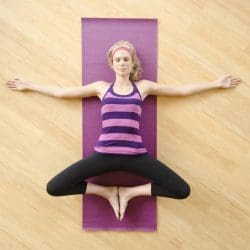
- Perform Badakonasana (Bound Angle Pose)
- Sit in the posture for few more deep breaths
- Finish off with stretching in Dandasana
- Start ‘scaling’ with Tulasana!
- Strengthening Your Core with Tulasana
Regardless of whether you’re a beginner or an advanced yogi, strengthening your core muscles is one of the most important benefits of yoga practice. Tulasana, or Scale Pose, is a great postural that will help you strengthen your core muscles. Let’s begin!- Start off in a comfortable seat and close your eyes. Take a few deep breaths.
- Now place the palms of your hands on your stomach, inhale and feel everything expand and exhale.
- Opening Up the Hips with Dandasana & Bada Konasana
Dandasana and Bada Konasana are two of the most important yoga poses that help open up those tight hips! If you're anything like me, you're probably familiar with the discomfort of tight hip flexors and it's about time to show them some love!
Let's start off with Dandasana - otherwise known as Staff Pose - and stretch our legs out in front of us as we sit in a comfortable seat. Make sure your feet are active and flexed outward, and take a few deep breaths. We'll do this for a couple more breaths before moving on. Next, bring your feet towards your pelvis and get into Bada Konasana - or Bound Angle Pose. To get the blood flowing and open those hips even more, gently bounce your knees up and down while being mindful of your back. Don't hunch over! Stay strong and straight, and take a few breaths here before stretching your legs out in front of you again and getting back into Dandasana.
By now you should already be starting to feel the effects and benefit of both of these poses! You will feel a great stretch along your hips and thighs and if you're super flexible, your knees should be all the way to the ground. Take one more deep breath and enjoy the moment. Namaste!
- Staff Pose (Dandasana)
- Bound Angle Pose (Bada Konasana)
- Mastering Tulasana with Nutan’s Yoga
Mastering Tulasana with Nutan's Yoga is a great way to open your hips, strengthen your core, and practice mindfulness - all at once! This invigorating sequence will get you started in no time.
To begin, Nutan guides to a comfortable seat and encourages us to use deep breaths to center our minds and bodies. She starts with an energizing dandasana (staff pose). This helps to strengthen the legs and gently opens the hips. We then move to badakonasana (bound angle pose) which stretches the inner thighs and hips. Nutan suggests bouncing your knees up and down to get the blood flowing and actively press on the toe pose for flexibility.
Now let’s get into Tulasana! Follow these steps:
- Keep your back straight and core engaged.
- Bring your feet closer to your pelvis (closer if you’re feeling flexible today).
- Allow you arms to balance you in the pose.
- Take a few breaths. Notice when the increased flexibility takes effect.
- Gently pull your feet back to position your ankles over your knees.
- You’re now ready for the challenging Tulasana!
Listen to Nutan's instructions and if you’re having difficulty, Nutan suggests easing it up a bit. With practice, your flexibility and strength will give you the confidence and grace to master this balancing pose.
Q&A
Q: What is tulasana? A: Tulasana is a sanskrit term meaning "scale pose" in English. It's essentially padmasana (or lotus pose) but with an added challenge of balancing on your arms.Q: What poses can help you prepare for tulasana? A: You can practice dandasana (staff pose) to strengthen your legs and back and to help open your hips. You can also try bada konasana (bound angle pose), which helps to open your hips and stretch your inner thighs.Q: What are the benefits of practicing tulasana? A: Practicing tulasana can help you build strength in your core and arms, as well as opening the hips and rejuvenating the legs. It's also a great balance and focus exercise as it requires concentration and coordination.In Summary
We hope you all had as much fun as we did in our journey of mastering the 'Tulasana' beast with Nutan's yoga! As we learned, tulasana is a great hip opening and core building posture that requires consistent practice and dedication. Not only does this posture exercise your physical being but it also helps bring a sense of peace and relaxation in our mental and emotional lives. We encourage you all to keep practicing and stay committed so tulasana can become a part of your regular yoga practice. Thank you for tuning in and have a Namaste!Post Category: Yoga Arm Balances
Popular posts:


Shop Items
[wp-shopify type=”products” limit=”3″ url-type=”shopify”]