Yoga Asanas, Yoga Reclining Poses
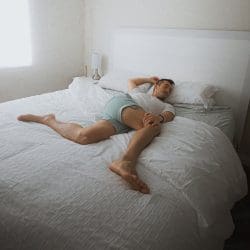
The Reverse Corpse pose, or Advasana, is an inverted yoga pose with enormous benefits. It helps to relax and release tension in the lower back, improve circulation in the abdominal area, and balance the adrenal glands. It also increases flexibility in the hips and abdomen and can aid in digestion. The inversion opens a space in the belly that can help to release grief and trauma, leading to a sense of peace and grounding. It has the ability to dissolve stress and can be calming and calming even in times when stress levels are high. It’s an excellent way to re-energize yourself and start the day with a sense of rejuvenation.
Yoga Asanas, Yoga Standing Poses
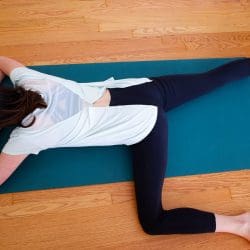
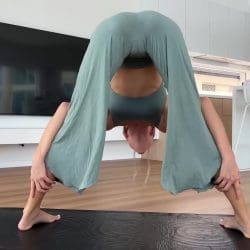
The Crescent Lunge Twist is a yoga pose that helps to increase flexibility and core strength, while serving as a full body toner. It is also known as Revolved Side Angle. It works to deepen the hip flexors and extend the spine. From there, you will twist to the side to open the chest and increase the range of motion through the entire torso. It also builds strength in arms, legs, and core while also stretching and toning the entire body. This sequence is a great way to build strength, flexibility, and mental awareness.
Yoga Asanas, Yoga Reclining Poses
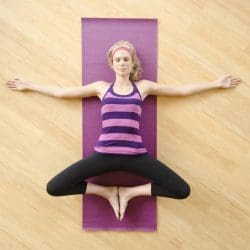
The Matsyasana, or the Fish Pose, is a powerful yoga posture that offers a range of mental and physical benefits. It helps to strengthen the abdominal and back muscles, improve posture by lengthening the spine, reduce stress, and provide relaxation. Its distinctive quality lies in the calming effect it has on the mind and the freeing up of tension that it brings to the body. Through stretching the muscles and increasing the flow of energy, the Fish Pose encourages feelings of positivity and well-being. In addition to this, it helps to increase flexibility, improve respiration, and reduce pain and fatigue.
Yoga Asanas, Yoga Reclining Poses
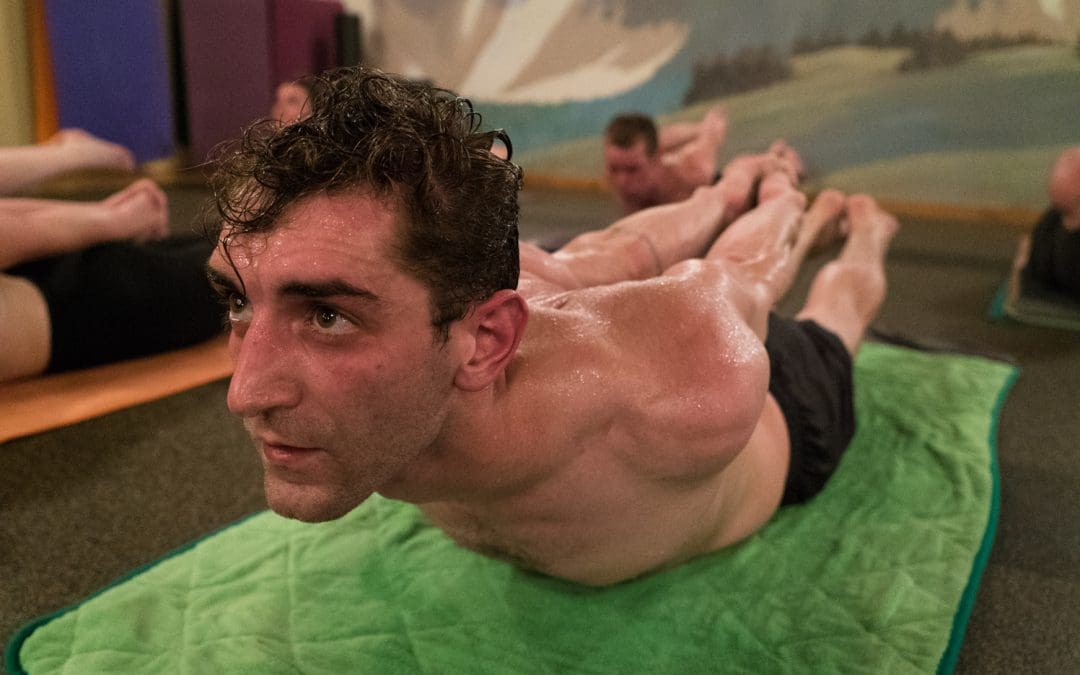
From a supine position on your belly, bring your forehead and chin to center. Take a chest expansion and interlace your fingers at the small of your back. Inhale, lift your chest as high as you can off the floor and draw your interlaced fingers upward and back. The legs stay engaged, thighs connected, big toes touching. The neck is a natural extension of your spine. AKA: Shark
Yoga Asanas, Yoga Reclining Poses
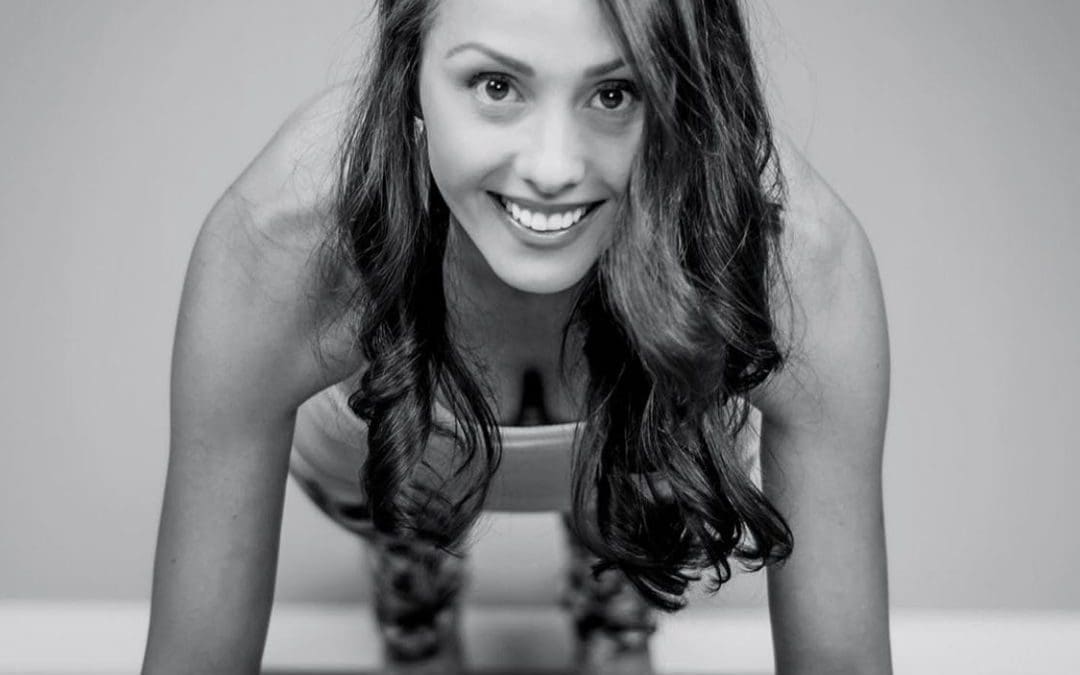
Dolphin Plank is an invigorating yoga posture leveraging the traditional Makara Adho Mukha Svanasana. Not only does it offer the same benefits as Dolphin Pose, but it also adds more intensity and energy to the practice. This pose quickly strengthens the arms and core, while opening up the chest and shoulders for a more expansive posture. As an added benefit, it also stimulates the abdominal organs, providing a more efficient flow of energy. Dolphin Plank is an ideal pose for strengthening and restoring balance to the body.
Yoga Asanas, Yoga Reclining Poses
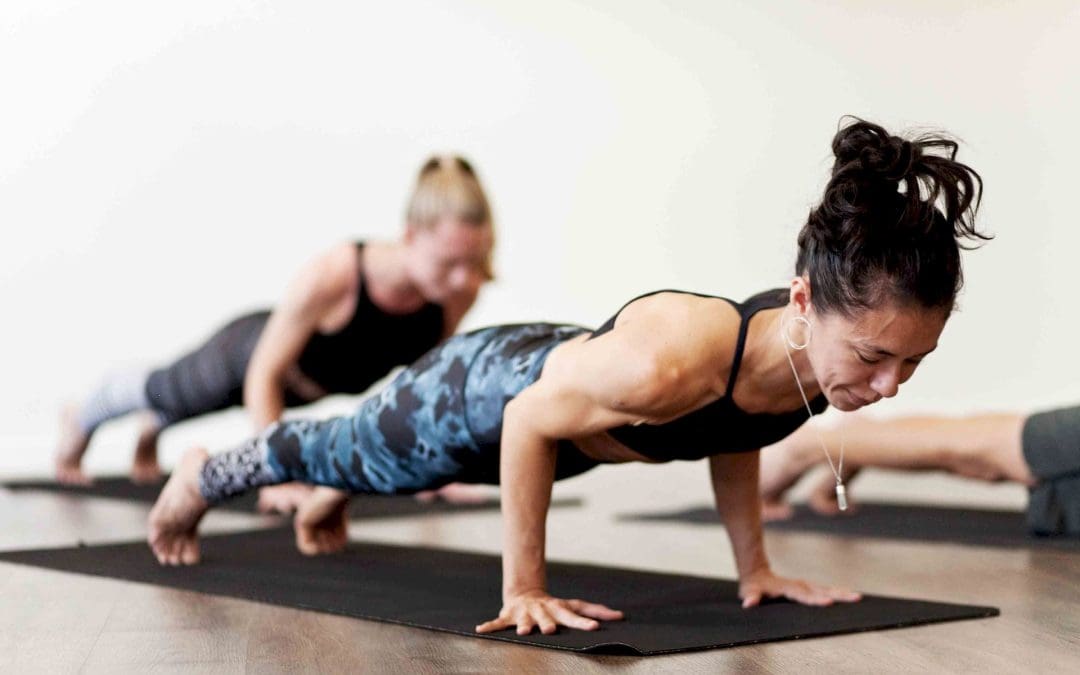
If you want to improve your plank pose and advance to the Chaturanga Dandasana, also known as the four-limbed staff pose, then this article is for you! Low plank is a great way to improve your posture and increase your strength. The pose is also beneficial for toning your abdominal muscles. To do the low plank pose, start in a downward facing dog position. Then, lower your hips and raise your arms so that your body is in a straight line from your head to your heels. Engage your core muscles and hold the pose for at least 60 seconds.
Yoga Asanas, Yoga Reclining Poses
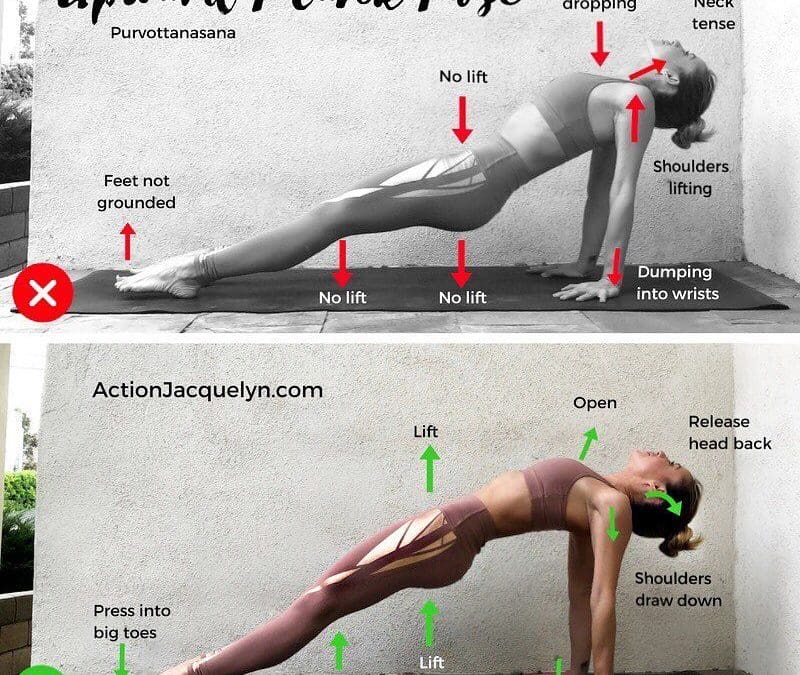
The Reverse Upward Plank or the Purvottanasana is a powerful yoga pose with several advantages. It strengthens the muscles of the arms, chest, and core, and increases flexibility of the spine. This pose is also known to stimulate the digestion system, encourage a healthy metabolism, and reduce stiffness in the shoulders and back. The distinct qualities of this pose include its ability to create more endurance, better focus, improved posture, and relief from fatigue and stress. This pose is suitable for most levels of physical fitness and can easily be modified to adapt to the individual’s body.
Yoga Asanas, Yoga Reclining Poses
Sleeping Vishnu’s Couch more commonly referred to as Anantasana is an incredibly versatile advanced yoga posture that provides numerous physical and mental health benefits. This pose focuses on balancing and stretching the entire body, relieving stress, and supporting the mind and body. It concentrates on stretching the legs, hips, back, arms, and neck. It also helps in improving balance and posture. Additionally, it may help alleviate insomnia, reduce fatigue, combat depression, promote internal health, and strengthens the body. To do this pose, start in any supported style pose, such as Sukhasana or Padmasana, and fold the lower body in the opposite direction of the head. Once the full pose is achieved, the benefits of Vishnu’s Couch will be felt in no time. The pose is also known as Side Reclining Leg Lift.
Yoga Asanas, Yoga Reclining Poses
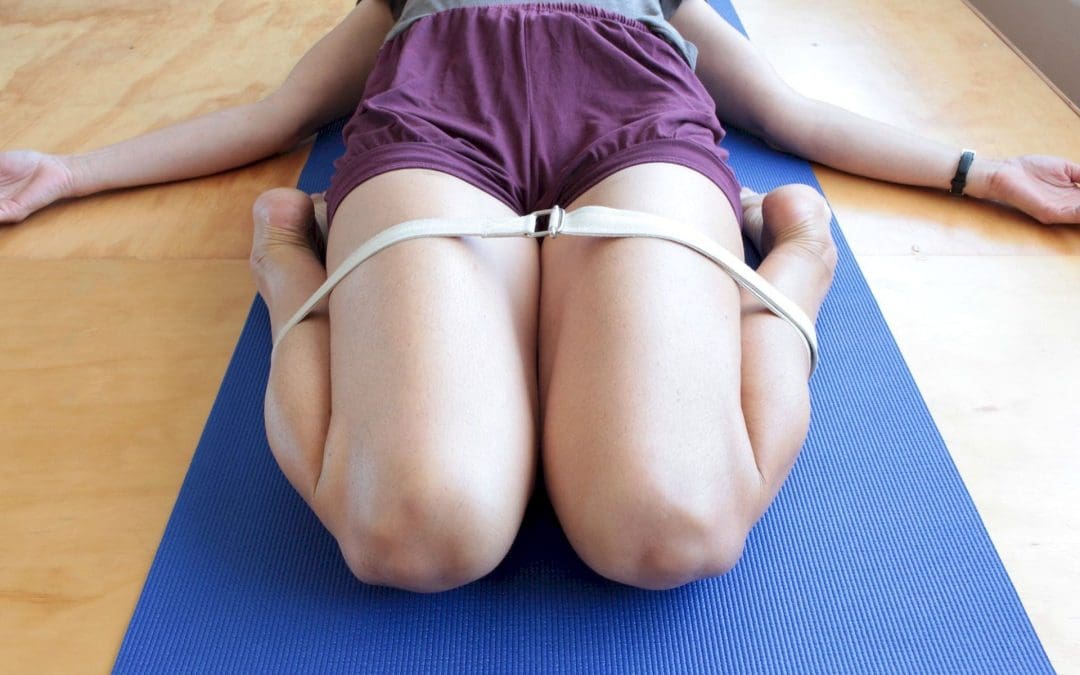
The Supta Virasana (`Reclining Hero`) offers an effective and calming yoga posture that rejuvenates the entire body and mind. With its remarkable advantages, this asana is an ideal pose for restorative and yoga-therapy sessions. It eases the stress and tensions of the spine, shoulders, and neck and can be customized for both beginners and advanced practitioners. It also strengthens the abdomen and groin, and helps in increasing flexibility and balance in the legs and hips. Supta Virasana is considered to be a great meditative pose that brings peace and contentment to the entire being.
Yoga Asanas, Yoga Reclining Poses
The Ananda Balasana, or Happy Baby Pose, is a foundational yoga pose that helps to open the hips, strengthen the spine, and promote inner stillness. This gentle inversion focuses on lengthening the spine and building core strength, which increases flexibility and balance as well as overall stability. The pose is also beneficial for relieving discomfort from lower-back tension and sciatic nerve pain. Furthermore, the combination of stretching and breathing helps to bring clarity and peace of mind, making it an excellent pose for calming the central nervous system.